


The integration of generative artificial intelligence (GenAI) into transactional enterprise SaaS is no longer a futuristic concept—it is a production-level architectural standard. Historically, enterprise tools acted as dumb data stores: users key in parameters, retrieve rows, and manually calculate conclusions. Today's next-gen architectures shift this cognitive burden onto the application runtime, compounding employee throughput by embedding intelligent micro-features inside daily transactional workflows.
The Rise of Micro-Intelligent Workflows
Rather than building separate, disconnected chat windows or "AI playgrounds" outside the normal path of business, modern software engineers are wrapping transactional tables with semantic filters. When a customer support agent looks at a pending ticket, an LLM-orchestrated module is already drafting context-aware replies, summarizing customer mood graphs, and flagging compliance risks.
“The most impactful AI integrations aren't standalone tools; they are the invisible filters and orchestration pipelines that silently eliminate standard human context-switching within existing application workflows.
— Sarah Jenkins, Principal Cloud Architect
Database Architecture (HTAP)
This shift requires a radical re-engineering of the database and memory caching layers. Applications must balance heavy semantic embedding retrieval queries with sub-second transactional database updates, requiring modern database designs to support hybrid transactional/analytical (HTAP) querying and integrated vector indexing.
Designing Frictionless AI Touchpoints
Friction is the ultimate killer of user adoption in SaaS. If a user has to formulate a complex prompt from scratch every time they want to complete a task, the feature fails. Architects must pre-package these interactions into structured variables, allowing the UI to suggest actionable next steps.
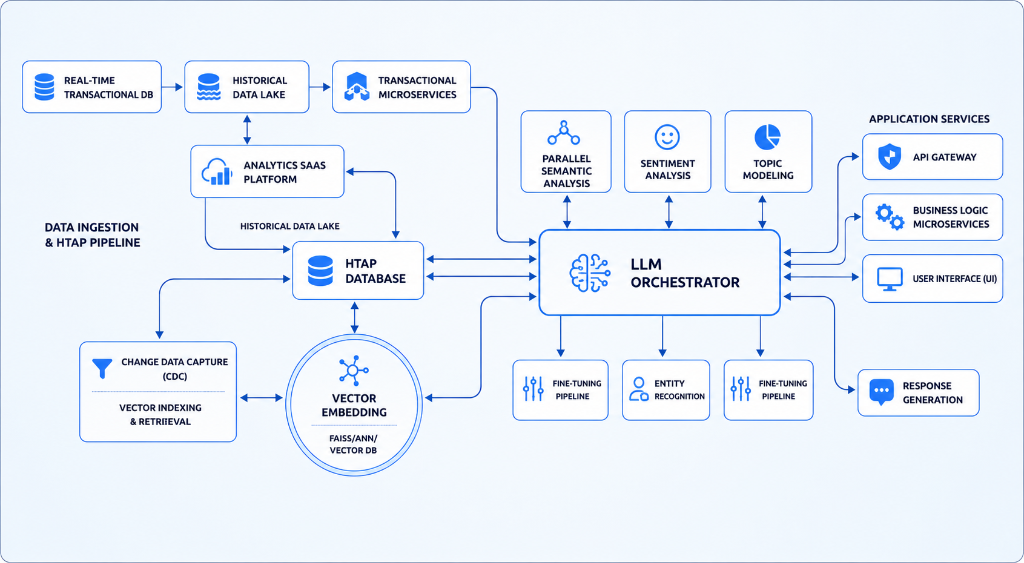
Figure 1.1: Standard modern HTAP pipeline separating operational database transactions from parallel semantic analysis.
Agentic Operations & Security
Looking forward to late 2026, the baseline expectation for any B2B SaaS will be agentic operations —where software doesn't just suggest the response, but can securely execute multi-step routines across third-party APIs. Planning for these security frameworks today is what separates market leaders from immediate legacy software.